How to plan a weekend day trip from Toronto without renting a car
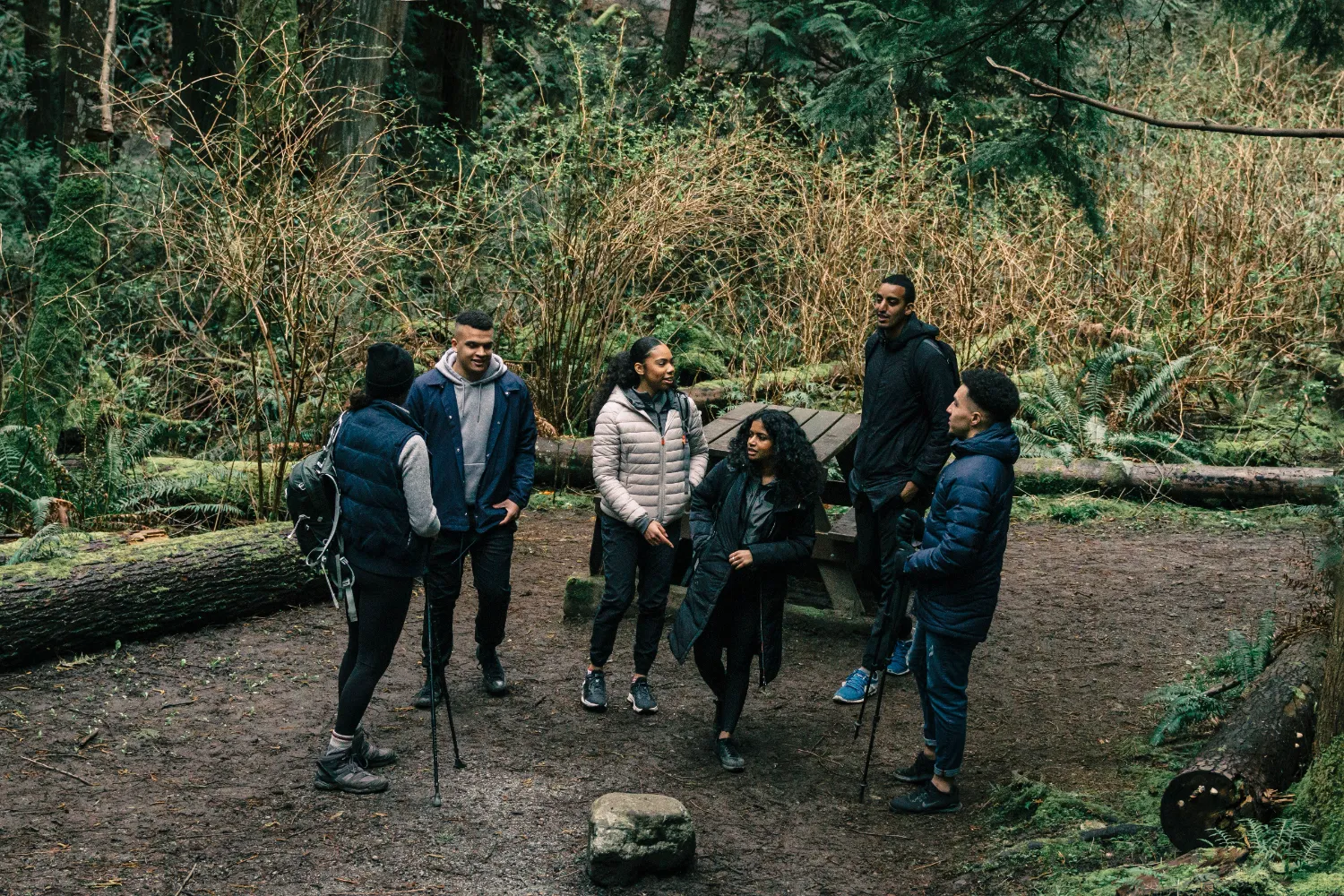
Most people in Toronto believe getting into Ontario requires a car.
This is a story, not a fact. And it is an expensive story, because it keeps roughly a million people inside the same few square kilometres every weekend.
Here is how the day actually works when you skip the rental counter.
Can you really leave Toronto for the day without a car?
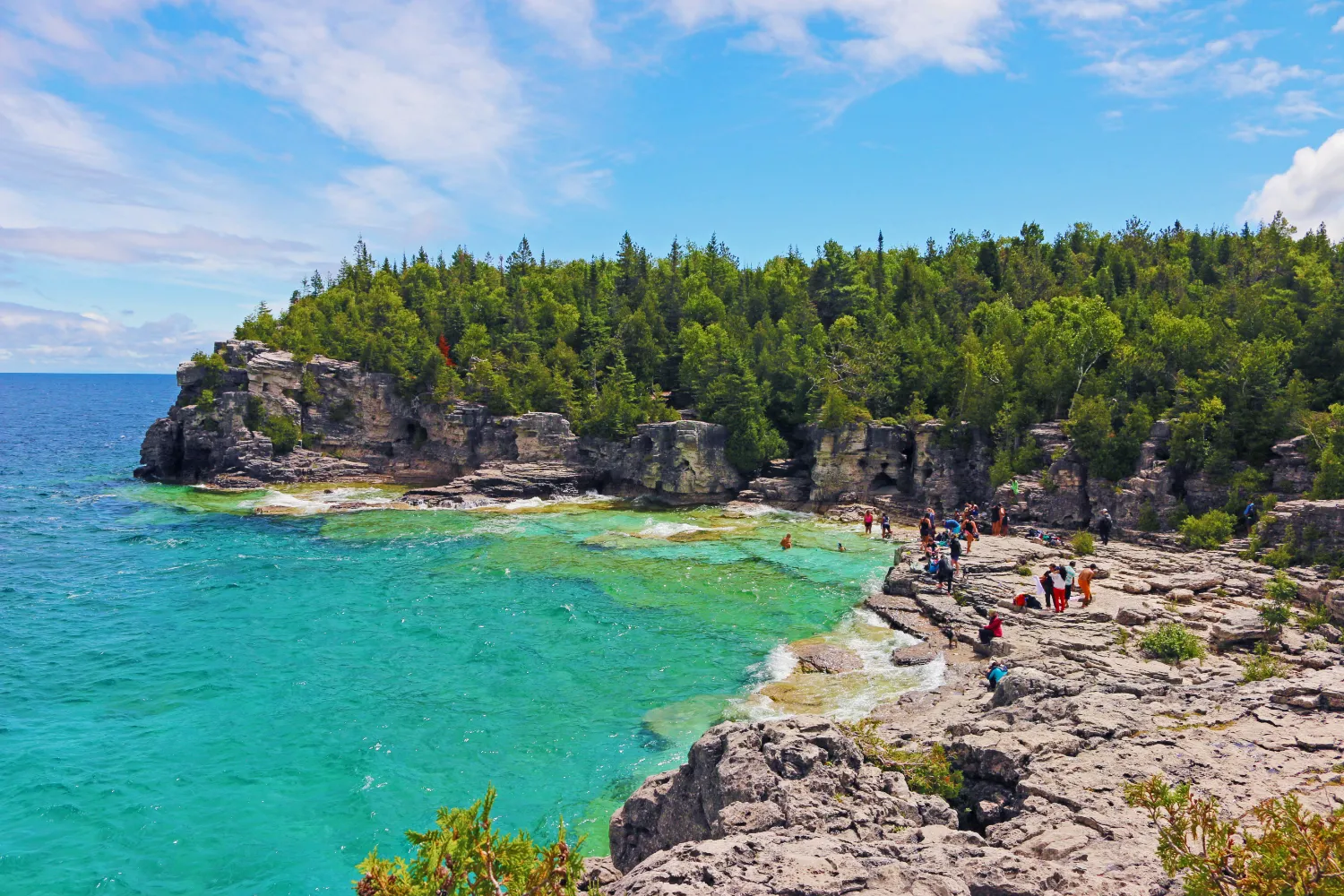
Yes — and not just to Niagara Falls. Bruce Peninsula, Algonquin Park, Elora Gorge, Spencer Gorge in Hamilton and St. Jacobs are all reachable and returnable in a single day from downtown Toronto without owning or renting anything.
The catch is that no single system takes you there. GO trains reach the edge of the region. Intercity coaches reach some towns. Almost nothing reaches a trailhead.
So carless travel from Toronto works differently than car travel. You are not solving how do I drive there. You are solving who is already going there today, and is there a seat.
Once you see the problem that way, the options open up: organised group day trips, seasonal park shuttles, a GO train plus a short taxi, or a friend with a car and a full tank.
What does renting a car for one day actually cost?
More than the sticker price. A one-day rental in Toronto usually starts somewhere in the $70–$130 range, and then the real costs arrive: fuel, insurance you probably do not have, tolls, and parking at the other end.
A day at Bruce Peninsula is roughly 600 kilometres of driving. That is a full tank in most cars.
Then there is the parking. Popular Ontario destinations increasingly use timed entry permits, and the permit is tied to a vehicle. Spencer Gorge in Hamilton works this way. So does the Grotto lot in Bruce Peninsula National Park in the busy season. Show up without one and you have driven four hours to be turned around.
And then there is the cost nobody prices: someone has to drive. For nine hours. That person does not really get the trip.
Which Ontario places are realistically reachable in one day?
Anything inside roughly a four-and-a-half hour drive of Toronto works as a day trip. That is a surprisingly large circle — it takes in Georgian Bay, the southern edge of Algonquin, all of Niagara, and the whole Grand River valley.
- Under two hours: Hamilton and Spencer Gorge, Niagara Falls, Niagara-on-the-Lake, Elora, St. Jacobs. Gentle days with time to spare.
- Two to three hours: the Grand River valley, southern Georgian Bay, Prince Edward County at a push.
- Four to four and a half hours: Tobermory and Bruce Peninsula National Park, the western access points of Algonquin Park. Real 13-hour days, worth every hour.
Past that circle you are into overnight territory and the arithmetic stops working.
How far in advance should you plan a day trip from Toronto?
Two to three weeks for anything popular in summer, and longer if the destination uses timed permits. The constraint is almost never transport — it is entry.
Ontario parks changed in the last few years. The good ones now meter demand, which is a polite way of saying the parking lot sells out by Tuesday for a Saturday in July.
This is the single biggest reason spontaneous day trips fail. Not weather. Not motivation. A full lot.
If you are booking a seat on an organised trip the permit is somebody else’s problem — but the seat is not. Small groups mean small numbers, and the good dates go first.
What time do you have to leave Toronto?
Earlier than feels reasonable. A 7:30am departure is standard for most Ontario day trips; the far ones leave around 5:00am and the close ones can wait until 8:00.
The reason is not the driving. It is the middle of the day.
A trailhead at 11am in July is a different place than the same trailhead at 9am — more people, worse light, hotter rock, longer queues for the one thing you came to see. The early start is not about squeezing in more. It is about arriving before everyone who left at a sensible hour.
Set two alarms. Everyone who has ever missed a bus thought one was enough.
What should you pack for a one-day Ontario trip?
Shoes with grip, more water than you think, layers you can take off, and a small bag you are willing to carry all day. Everything else is optional.
- Shoes with actual tread. Escarpment limestone is slick when damp. This is the item people get wrong.
- Water — a litre minimum, two on a hot day. There are fewer taps than you expect.
- Layers. Georgian Bay at 9am and Georgian Bay at 2pm are different climates.
- Sunscreen. Open rock and open water both reflect. You will burn in places you did not plan to burn.
- A card and some cash. Small-town Ontario is not uniformly tap-to-pay.
- For water trips: swimsuit worn underneath, a towel, and a genuinely dry change of clothes in a bag.
What to leave behind: anything you would be upset to lose, and any bag bigger than a daypack. You are carrying it up the hill.
How do you plan around Ontario weather?
Assume the trip runs. Ontario day trips almost never cancel for rain — they cancel for lightning, high water and unsafe operator conditions, all of which are rarer than a grey forecast.
A 40% chance of rain is not a reason to stay home. It is a reason to bring a shell.
Some of the best days on these routes have been the wet ones: empty trails, loud waterfalls, a gorge with nobody in it. The photographs are worse and the day is better.
What actually changes the plan is water level for anything on a river, and wind for anything on a boat. Check those two.
Is a guided group day trip worth it instead of doing it yourself?
It depends what you are short of. If you have a car, a licence, a group and a free week to plan, do it yourself. If you are short on any one of those, a booked seat is usually cheaper than the alternative and always simpler.
Here is the honest arithmetic. Rental plus fuel plus permit plus activity, split two ways, lands close to the price of a group seat — and you did all the work. Split four ways it is cheaper, and you still did all the work.
Split one way, alone, it is not close.
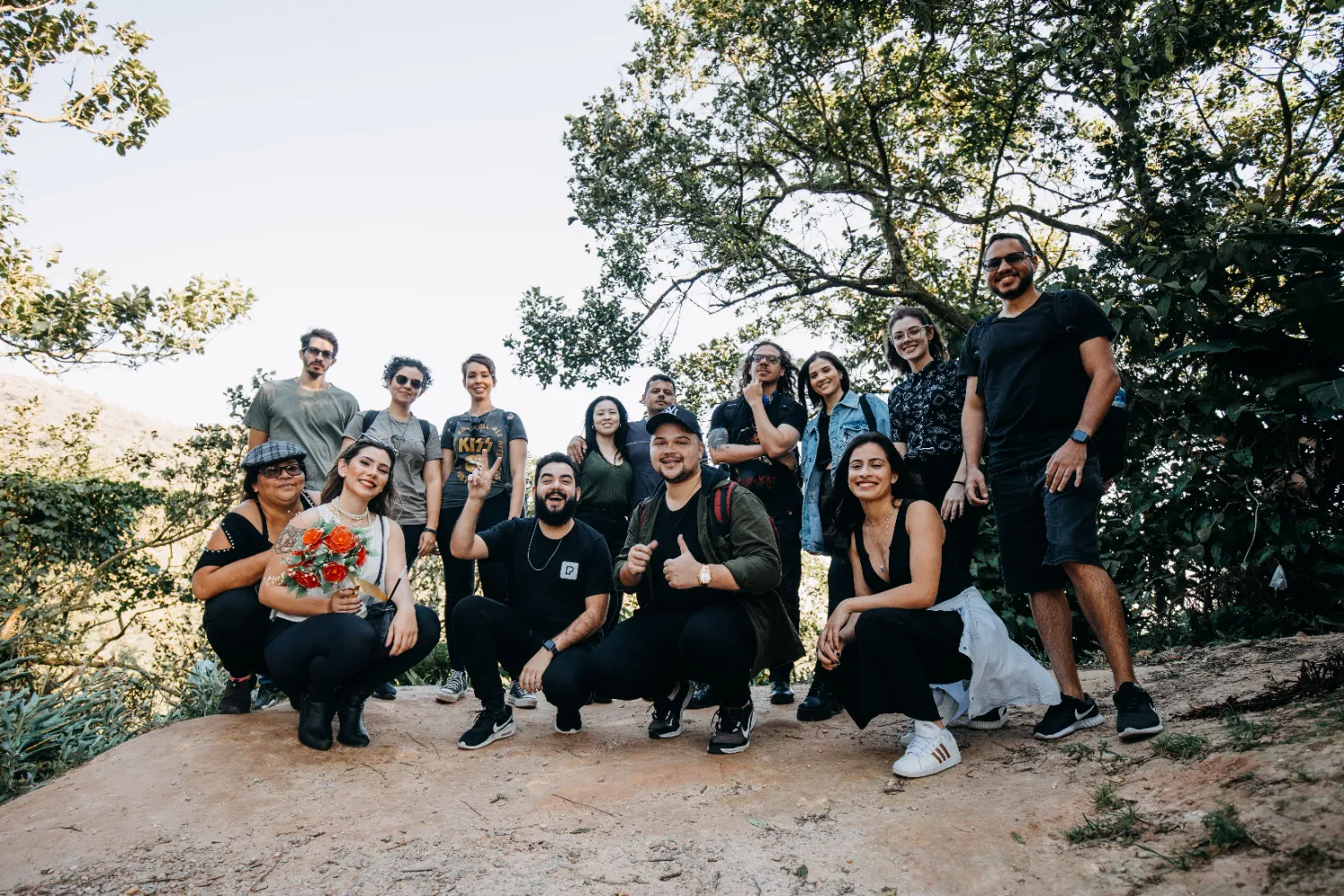
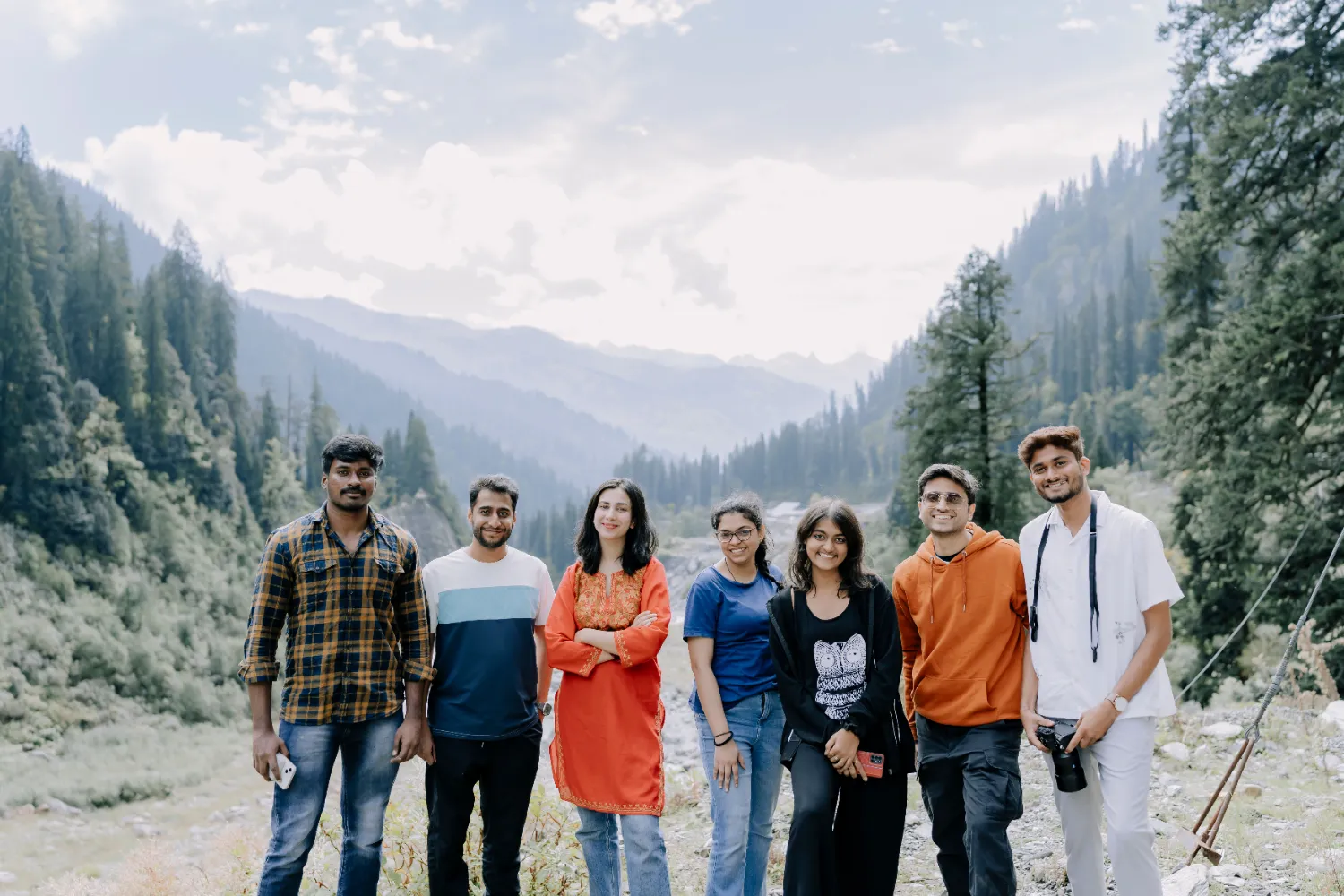
Which is really who these trips are for: people travelling solo, people without a car, and people who would rather spend Friday night doing something other than reading parking regulations. Most of us, in other words.
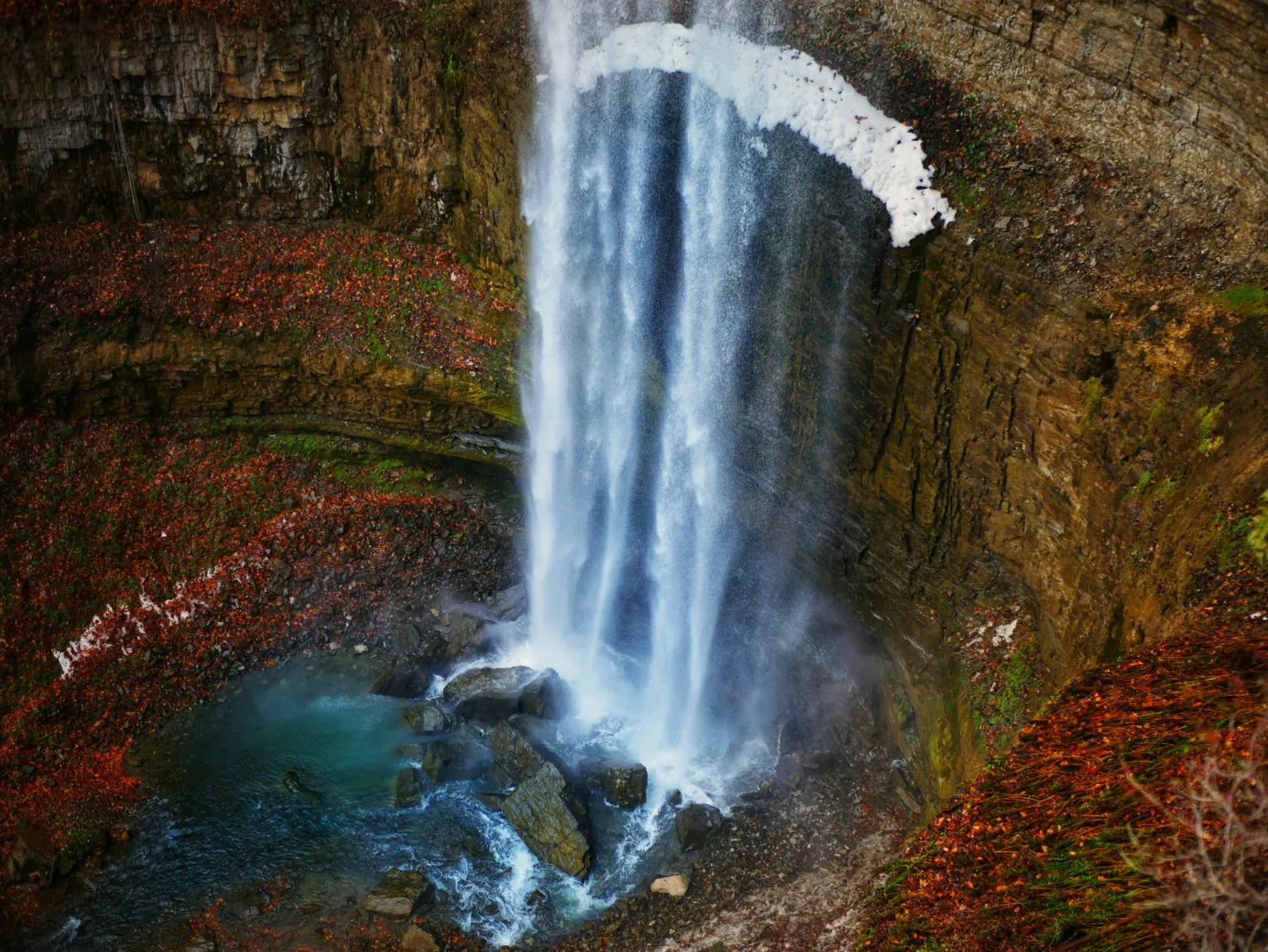
Ontario micro-adventures are not really limited by geography. They are limited by logistics. Remove the logistics and the province gets a great deal bigger.
Nadia Brooks
Plans the running order of every NorthStar day and has ridden all seven routes more than once, usually from the back row with a notebook. Writes the part of the trip page nobody else wants to write: the timings.